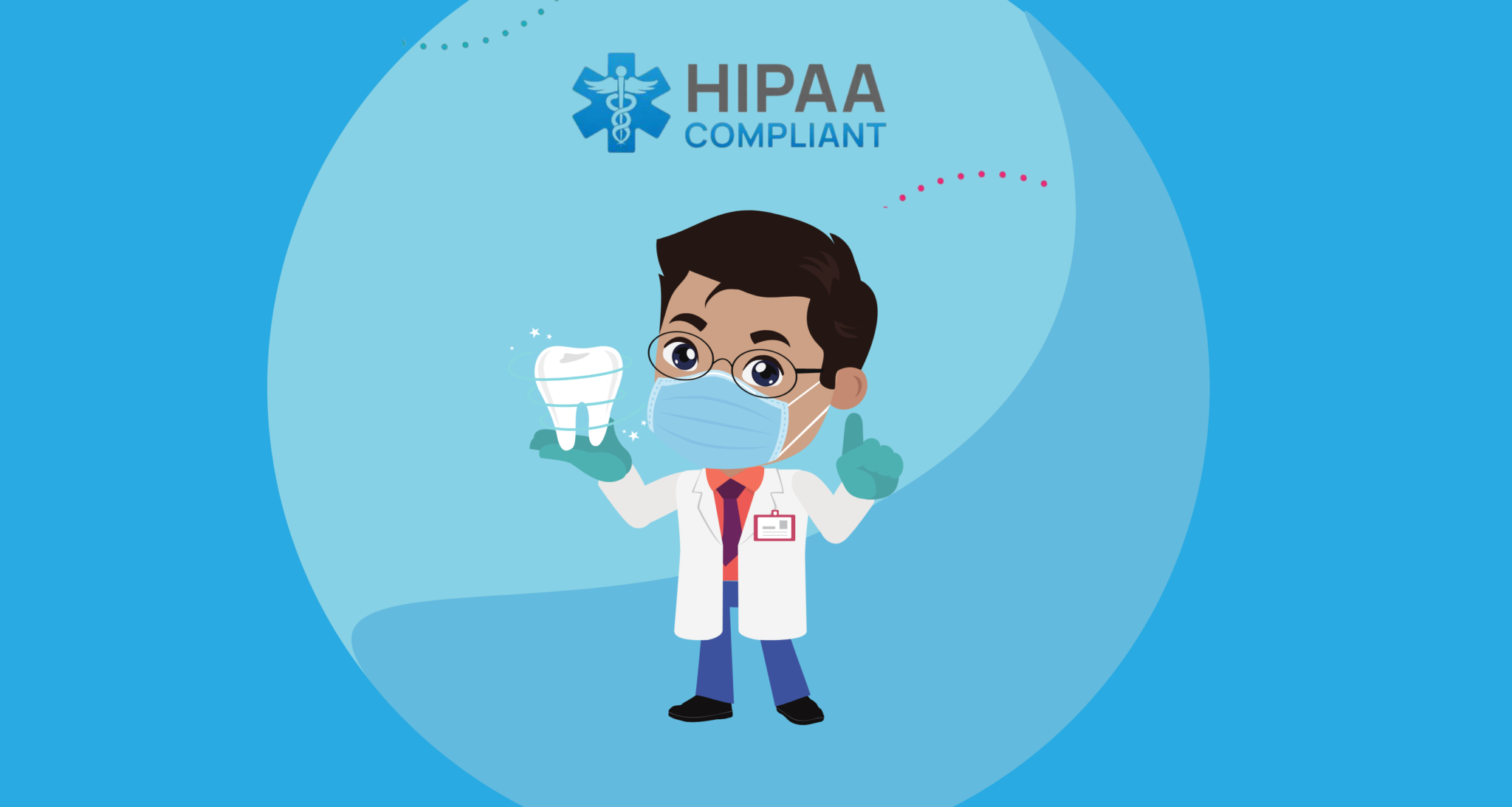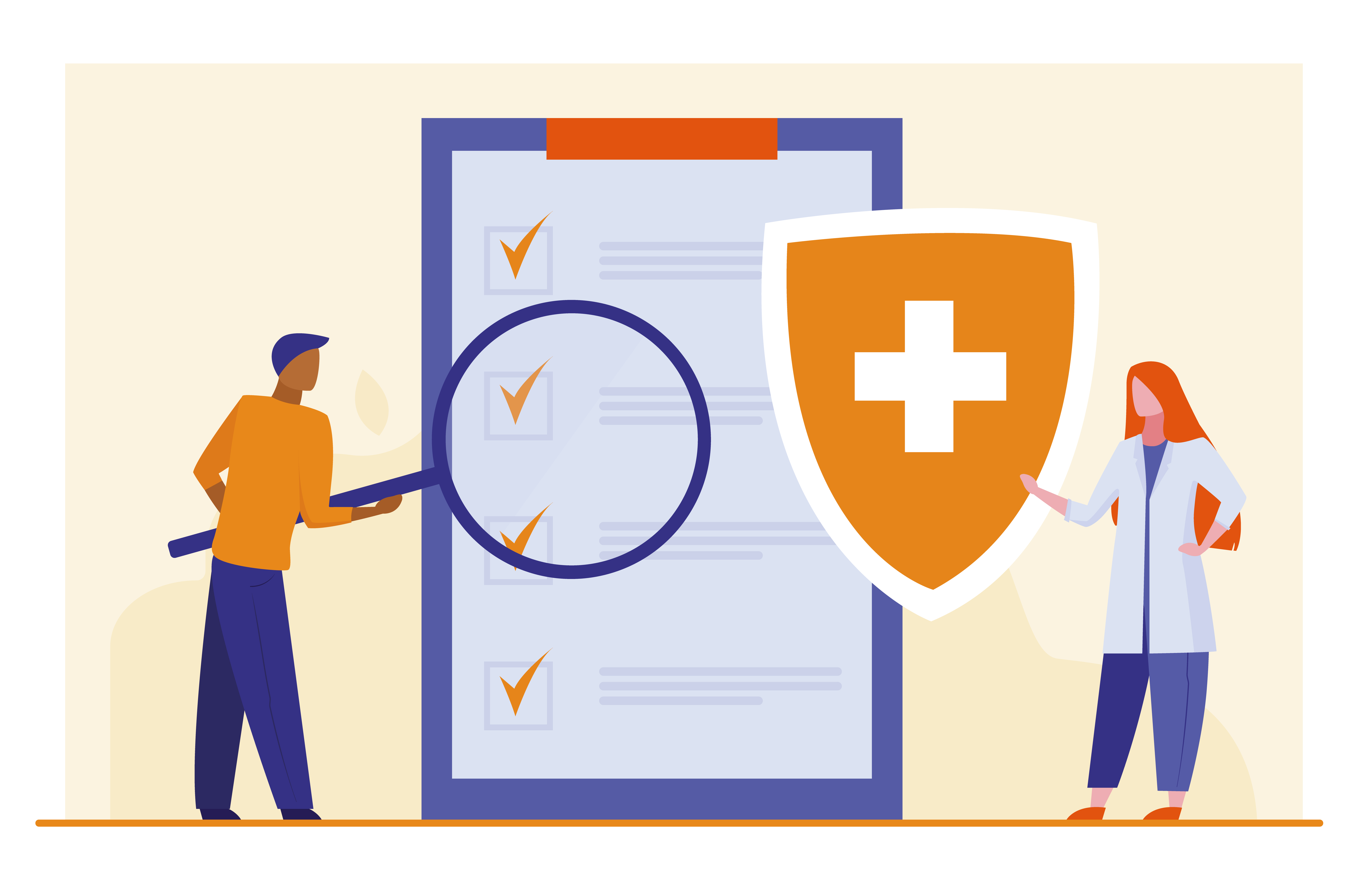
In today’s digital healthcare environment, dental clinics handle more sensitive information than ever before. From patient medical histories and digital X-rays to insurance details and billing records, every piece of data must be handled with care. HIPAA compliance is no longer just a legal requirement—it is a fundamental responsibility for dental clinics.
Many dental practices believe HIPAA rules are complex and difficult to follow. In reality, with the right approach, systems, and training, HIPAA compliance can be manageable and even improve day-to-day clinic operations. This guide explains HIPAA compliance tips for dental clinics in a clear, practical, and easy-to-understand manner.
Understanding HIPAA Compliance for Dental Offices
HIPAA, or the Health Insurance Portability and Accountability Act, establishes national standards for protecting patient health information. Dental clinics are classified as covered entities, meaning they must comply with HIPAA regulations whenever they store, access, or share patient information.
HIPAA applies to both electronic and paper records. Whether patient information is stored in a computer system, written in files, sent via email, or discussed verbally, dental clinics must ensure confidentiality, integrity, and availability of that information.
HIPAA Requirements for Dentists Explained
HIPAA compliance for dental offices is built on three major rules that every dentist should understand.
Privacy Rule
The Privacy Rule governs how patient information can be used and disclosed. Dental clinics must ensure that patient data is accessed only by authorized staff and only for legitimate purposes related to treatment, billing, or operations.
Security Rule
The Security Rule focuses on protecting electronic patient information. This includes safeguards such as secure passwords, encryption, firewalls, and controlled system access. Dental clinic patient data security is a critical part of this rule.
Breach Notification Rule
If patient data is compromised due to a breach or cyberattack, dental clinics are legally required to notify affected patients and regulatory authorities within a specific timeframe.
Why HIPAA Compliance Matters for Dental Clinics
HIPAA compliance is not just about avoiding penalties. Patients trust dental clinics with highly personal information. A single data breach can damage a clinic’s reputation, reduce patient confidence, and lead to financial losses.
Compliant clinics demonstrate professionalism, reliability, and responsibility. Strong data security practices also improve workflow efficiency, reduce downtime, and protect clinics from increasing cyber threats.
HIPAA Compliance Tips for Dental Clinics
1. Conduct Regular Risk Assessments
A HIPAA risk assessment helps identify vulnerabilities in your dental clinic’s systems and workflows. This includes reviewing computers, servers, dental software, Wi-Fi networks, and employee access levels.
Risk assessments should be documented and conducted at least once a year or whenever new technology is introduced. Identifying risks early allows clinics to fix issues before they turn into violations.
2. Strengthen Dental Office Cybersecurity
Cybersecurity is one of the most important HIPAA compliance areas for dental offices. Clinics should use updated antivirus software, firewalls, and automatic system updates to protect against malware and ransomware attacks.
Each staff member should have a unique login ID and strong password. Shared logins increase security risks and violate HIPAA best practices. Encryption should be enabled on all systems storing patient information.
3. Train Staff on HIPAA Policies
Employees play a major role in HIPAA compliance. Even the best security systems can fail if staff are not properly trained.
Training should cover how to handle patient data, recognize phishing emails, secure workstations, and respond to suspected breaches. Annual refresher training helps maintain awareness and reduces human error.
4. Control Access to Patient Information
Not all employees need access to all patient data. Dental clinics should apply role-based access controls so staff can only view information necessary for their job responsibilities.
Workstations should automatically lock when unattended, and physical access to records should be restricted. These measures significantly improve dental clinic patient data security.
5. Secure Email, Cloud Systems, and Backups
Emails containing patient information must be encrypted and sent using HIPAA-compliant services. Cloud storage and practice management software providers should be willing to sign a Business Associate Agreement (BAA).
Regular encrypted backups are essential for protecting against data loss caused by cyberattacks or system failures. Backup systems should be tested periodically to ensure data can be restored when needed.
6. Maintain Documentation and Policies
HIPAA compliance requires proper documentation. Dental clinics should maintain written policies for data security, incident response, staff training, and risk assessments.
Having documentation readily available protects clinics during audits and demonstrates a commitment to compliance.
7. Prepare a Data Breach Response Plan
Despite best efforts, data breaches can still occur. A clear response plan ensures that dental clinics act quickly and correctly.
The plan should define who investigates the breach, how systems are secured, how patients are notified, and what steps are taken to prevent future incidents.
Common HIPAA Mistakes in Dental Clinics
Many dental clinics unknowingly violate HIPAA due to outdated technology, weak passwords, lack of training, or unsecured front-desk practices. Leaving patient information visible or accessible to unauthorized individuals is a common issue.
Avoiding these mistakes requires consistent monitoring, staff awareness, and regular system updates.
Benefits of Strong HIPAA Compliance
Dental clinics that prioritize HIPAA compliance gain long-term benefits. These include improved patient trust, reduced legal risk, stronger cybersecurity, and smoother clinic operations.
Patients are more likely to choose and remain loyal to clinics that demonstrate professionalism and data protection.
Conclusion
HIPAA compliance is an ongoing process that requires commitment, proper systems, and trained staff. By following these HIPAA compliance tips for dental clinics, practices can protect patient data, meet legal requirements, and maintain patient trust.
Strong cybersecurity, regular training, and professional IT support make compliance easier and more effective.
If your dental clinic needs expert help with HIPAA compliance, cybersecurity, and IT support, professional assistance can save time and reduce risk.
Jeff Computer provides trusted IT services, HIPAA compliance support, and dental office cybersecurity solutions.
📞 Call now: +1 941-759-1120
Protect patient data. Stay compliant. Focus on patient care.
Frequently Asked Questions (FAQ)
Yes. HIPAA applies to all dental practices regardless of size, including solo practitioners and small clinics.
Yes. HIPAA applies to both paper-based and electronic patient records, and both must be properly protected.
Risk assessments should be conducted at least annually and whenever there are major system or workflow changes.
Yes. Dental clinics can use cloud-based software as long as the provider is HIPAA-compliant and signs a Business Associate Agreement (BAA).
HIPAA violations can result in fines, legal action, corrective action plans, and reputational damage.