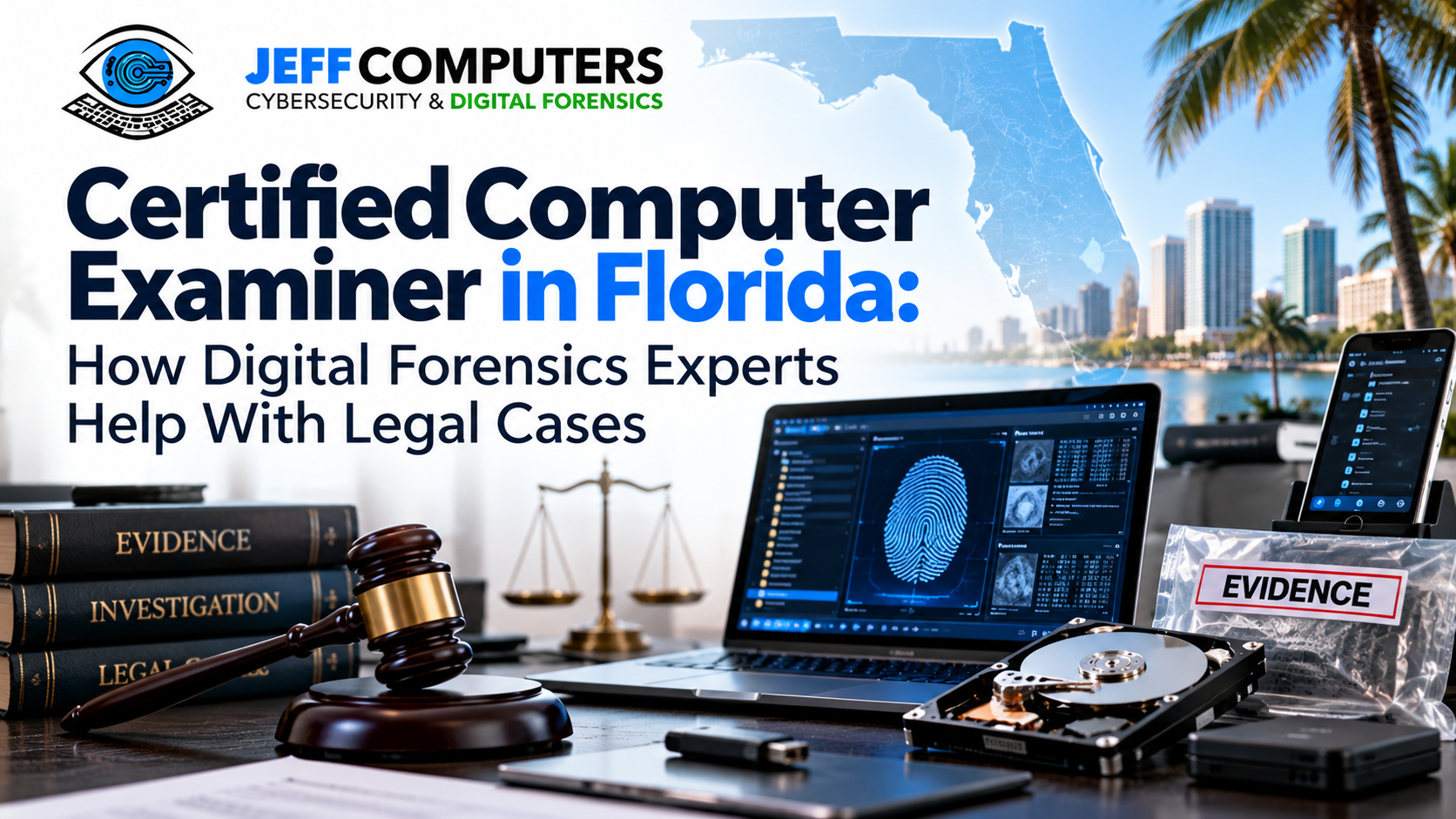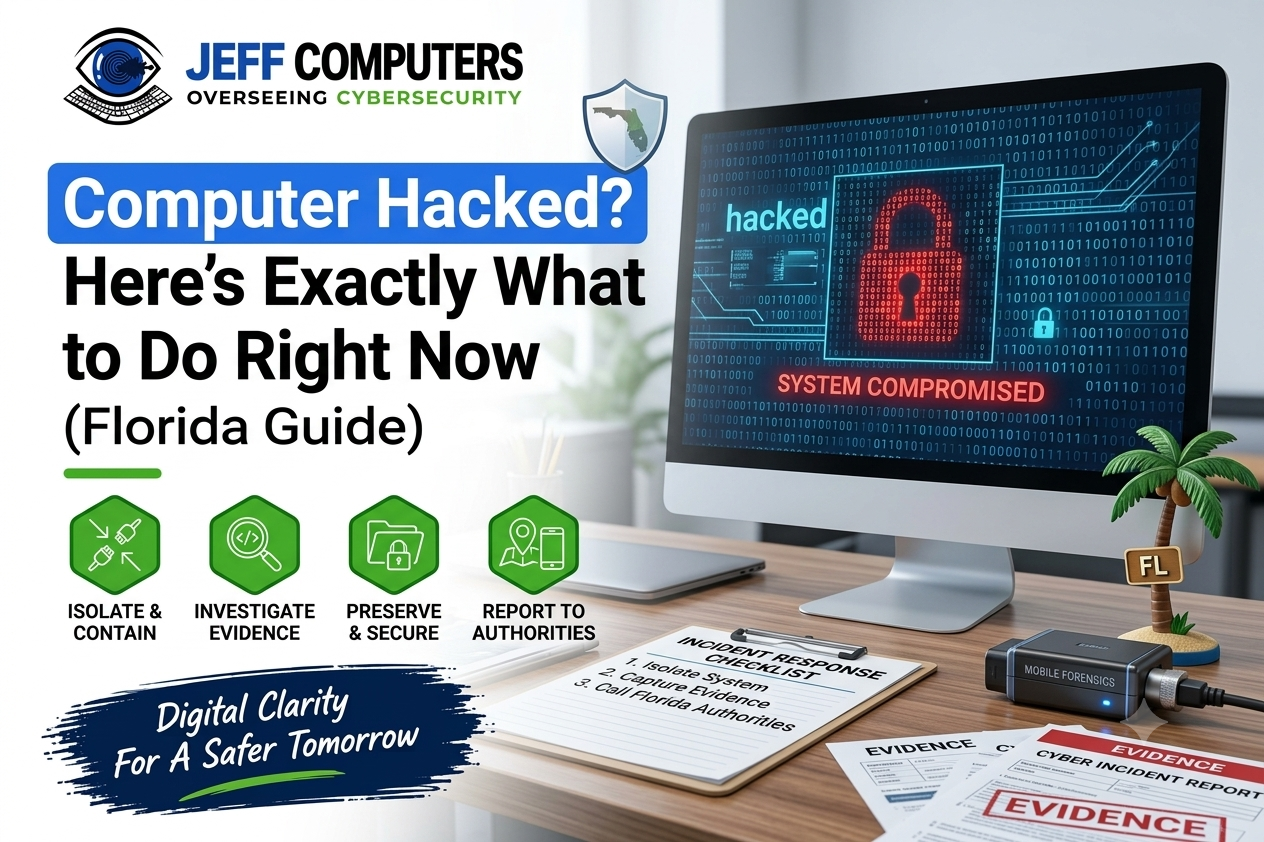

Quick answer: A certified computer examiner is a digital forensics professional trained to examine electronic devices and explain technical findings. In Florida legal matters, computer forensic examinations can help preserve potentially relevant evidence, investigate deleted files or unauthorized access, and document findings for attorneys and other decision-makers. The evidence available—and whether a court accepts it—depends on the facts, examination methods, and applicable rules.
If you are handling a dispute in Sarasota, Osprey, Venice, or elsewhere in Florida, knowing when to involve a computer forensic investigator can help protect evidence before it changes or disappears.
What Is a Certified Computer Examiner?
The term Certified Computer Examiner (CCE) refers to a professional certification administered by the International Society of Forensic Computer Examiners (ISFCE). The certification evaluates computer forensic examination skills, reporting, and professional standards. Not every digital forensic examiner holds this particular credential, and a general job title such as “computer examiner” should not be confused with verified CCE certification.
When selecting an examiner, ask about current certifications, practical experience, methods, case-specific expertise, and sample reporting practices. The relevant qualifications depend on the device, issue, and legal purpose.
How Can Computer Forensics Help With a Florida Legal Case?
Computer forensics is the structured process of identifying, preserving, collecting, analyzing, and reporting information from computers and related storage devices. A digital forensic examiner may uncover artifacts that clarify what happened, when activity occurred, and which questions remain unanswered.
1. Deleted files and document history
Depending on the device and storage conditions, forensic examination may identify deleted documents, remnants of files, recent-file records, or metadata. Recovery is not guaranteed, particularly when data has been overwritten or removed by modern storage-management processes.
2. Employee misconduct and confidential information
In employment or business disputes, a computer forensic investigator may assess evidence of file access, external storage use, account activity, or transfers of company information. Technical artifacts do not automatically prove intent or identify a particular person; they must be interpreted in context.
3. Emails, timelines, and electronic communications
Available email records, file timestamps, system logs, and application data can help establish a timeline. Examiners should explain limitations such as clock inaccuracies, incomplete logs, and alternative explanations.
4. Unauthorized access and cybersecurity incidents
For suspected account compromise, malware, or intrusion, a forensic examination may identify suspicious programs, persistence mechanisms, login events, and other relevant artifacts. This can inform both a legal investigation and a practical response to protect affected systems.
Why Evidence Preservation and Chain of Custody Matter
Chain of custody is documentation of who collected, handled, transferred, stored, and examined an item of evidence. Depending on the matter, a forensic specialist may make a verified forensic copy, record device details, use integrity hashes, restrict changes to original media, and maintain an examination log.
These practices support transparency and reproducibility. They do not automatically make evidence admissible: a court decides admissibility under the applicable evidentiary rules.
What Should You Do Before a Digital Forensic Examination?
- Preserve the device. Avoid factory resets, reinstallation, and unnecessary use when evidence could matter.
- Document the situation. Note dates, observed activity, people involved, and relevant account or device details.
- Do not access accounts or devices without authorization. Coordinate with your attorney about lawful collection and scope.
- Discuss urgent security risks. If a system is actively compromised, a professional can help balance containment with evidence preservation.
- Define the questions. A focused examination starts with what needs to be established, not an unrestricted search through private data.
Certified Computer Examiner vs. Certified Cyber Forensics Professional
These phrases may refer to different credentials, training programs, or general professional descriptions. Certified Computer Examiner is the specific CCE credential associated with ISFCE. The phrase certified cyber forensics professional should not be assumed to represent the same qualification. Ask any prospective expert to identify the issuing organization, current certification status, and scope of competence.
How Florida Attorneys and Businesses Can Choose a Digital Forensic Examiner
Look for demonstrated experience with the relevant operating systems and devices, lawful evidence acquisition, defensible examination procedures, clear written reports, confidentiality safeguards, and an ability to communicate technical findings without exaggeration. Ask whether the examiner has handled similar civil, employment, or cybersecurity matters and whether testimony or litigation support is available for your particular case.
A qualified examiner should also be willing to explain what the evidence cannot establish. No responsible examiner can promise deleted-file recovery, a particular legal outcome, or automatic court admissibility.
Computer & Digital Forensics Services in Sarasota and Osprey, Florida
Jeff Computers provides computer and digital forensics services and related cybersecurity assistance from Osprey, serving Sarasota, Venice, Nokomis, and surrounding Sarasota County communities. Its services include examination of computer and mobile-device concerns, digital evidence preservation, and investigation support. For information about the scope of a particular matter, visit the Computer & Digital Forensics service page.
If you are an attorney, business owner, or individual facing a potential digital evidence issue, contact Jeff Computers to discuss the device, the questions you need answered, and the next appropriate steps.
Call Jeff Computers: +1(941) 263-0705 .
Frequently Asked Questions:
What does a certified computer examiner do?
A certified computer examiner examines digital devices and available artifacts using documented methods, then reports relevant findings. Tasks may include forensic imaging, file analysis, timeline reconstruction, and evidence preservation.
Can a computer forensic examiner recover deleted files?
Sometimes. Recovery depends on the device, file system, storage technology, encryption, overwriting, and actions taken after deletion. No examiner can guarantee recovery.
Is digital forensic evidence admissible in Florida court?
It may be, but admissibility is decided by the court under applicable evidence rules. Proper collection, documentation, relevance, authentication, and expert methodology can be important.
When should a Florida attorney hire a computer forensic investigator?
Consider consulting an examiner early when computers, phones, emails, deleted files, account activity, or other digital artifacts could materially affect a case, especially before devices are altered or replaced.
What is the difference between a certified computer examiner and a digital forensic investigator?
Digital forensic investigator describes a professional role. Certified Computer Examiner (CCE) identifies a specific certification. A digital forensic investigator may hold CCE or other qualifications.
Can computer forensics show whether an employee copied files?
Sometimes forensic artifacts can show file access, connected devices, or transfers. Findings may be incomplete and do not by themselves establish who performed an action or why.
How much does a computer forensic examination cost in Florida?
Pricing depends on the number and condition of devices, amount of data, complexity, urgency, and reporting or testimony requirements. Request a case-specific scope and estimate.
Where can I find digital forensics help near Sarasota, Florida?
Jeff Computers serves Osprey, Sarasota, Venice, Nokomis, and nearby Sarasota County areas. Call (941) 263-0705 to discuss your digital evidence concerns and available services.
Disclaimer: This article provides general technical information, not legal advice. Consult a qualified Florida attorney regarding evidence collection, privacy, and court procedures.
Reference: International Society of Forensic Computer Examiners — CCE certification.